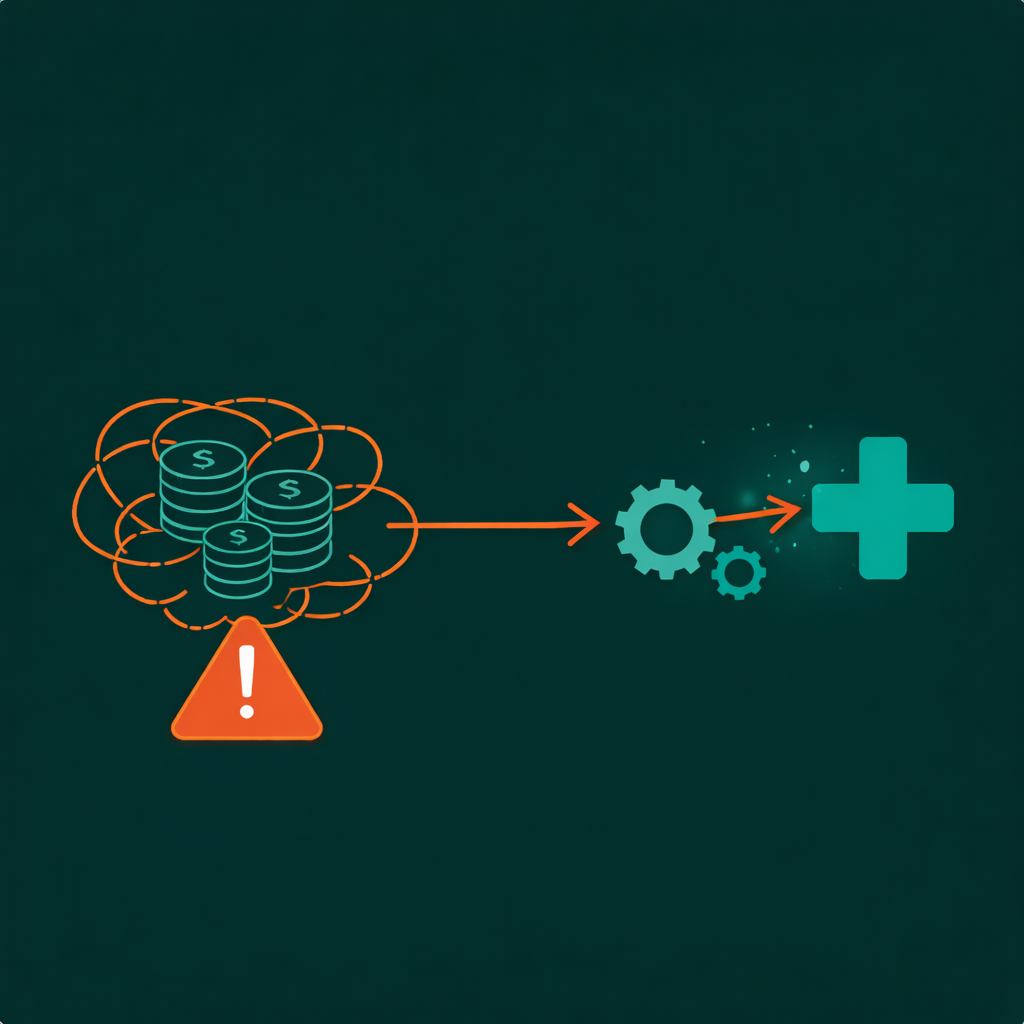
Healthcare organizations generate massive amounts of data every day, scheduling data, provider information, insurance details, operational documents, referral workflows, and more. Yet much of this information lives in disconnected systems, spreadsheets, email threads, and shared folders.
These data silos don’t just create inconvenience, they create operational risk.
What Are Data Silos And Why Do They Matter?
A data silo occurs when information is stored in separate systems or departments that do not communicate with one another. In healthcare environments, this often leads to:
- Duplicate data entry
- Outdated or conflicting information
- Breakdowns in communication between departments
- Delays in decision-making
- Increased compliance and audit risk
When teams don’t share a single source of truth, productivity declines and leadership loses visibility into operational performance.
The Operational Cost of Disconnected Systems
Even high-performing healthcare organizations often rely on manual processes to bridge system gaps. Staff members download reports, copy information into spreadsheets, email updates across teams, and manually verify accuracy.
Over time, this results in:
- Lost staff hours
- Higher administrative overhead
- Reduced workflow efficiency
- Greater potential for human error
These inefficiencies rarely appear on a balance sheet but they significantly impact operational performance.
Building a Centralized Operational Infrastructure
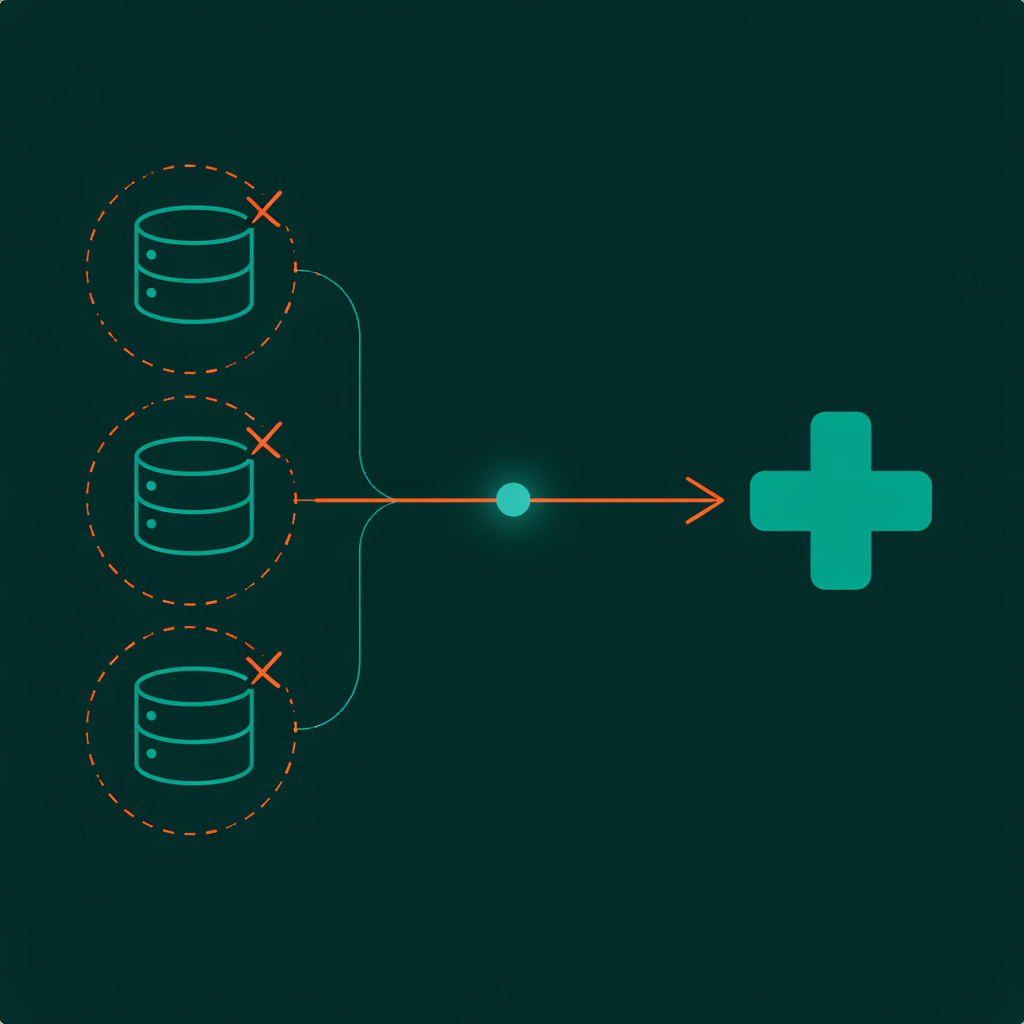
To eliminate silos, healthcare organizations need a centralized, structured platform that consolidates operational data and provides controlled access across departments.
MPowerFlow develops custom-built platforms that create a unified operational environment where information is:
- Entered once and maintained centrally
- Accessed securely through role-based permissions
- Updated in real time
- Scalable as the organization grows
This approach replaces fragmented tools with a cohesive system built around your specific workflows.
Role-Based Access for Security and Efficiency
Not every department needs access to everything, but every department needs access to accurate information relevant to their role.
By implementing customized permissions and department-level access controls, organizations can:
- Reduce information overload
- Strengthen internal security
- Improve accountability
- Increase workflow clarity
The result is a structured, efficient operational ecosystem.
Scalable Infrastructure for Growing Organizations
As healthcare organizations expand, disconnected systems become even more difficult to manage. Growth requires infrastructure that can scale without increasing complexity.
Custom platforms built on secure cloud environments provide:
- Flexible system architecture
- Enterprise-level reliability
- Long-term adaptability
- Reduced dependency on multiple vendors
This ensures your operational systems evolve alongside your organization, not against it.
From Fragmentation to Flow
Operational excellence in healthcare requires more than clinical software. It requires structured, centralized systems that support internal teams and eliminate inefficiencies.
If your organization is struggling with disconnected data, duplicated effort, or workflow bottlenecks, it may be time to rethink your infrastructure strategy.
MPowerFlow helps healthcare organizations eliminate data silos and create streamlined, scalable operational platforms.
Ready to eliminate data silos? Contact us today to schedule a workflow assessment.