Healthcare call centers are often the first point of contact for patients — handling appointment scheduling, insurance verification, referrals, and general inquiries. Yet many organizations still rely on basic phone systems that lack integration, visibility, and operational control.
In today’s healthcare environment, a phone system alone is no longer enough. To operate efficiently and deliver a better patient experience, organizations need a fully integrated, workflow-driven platform.
The Limitations of Traditional Call Center Systems
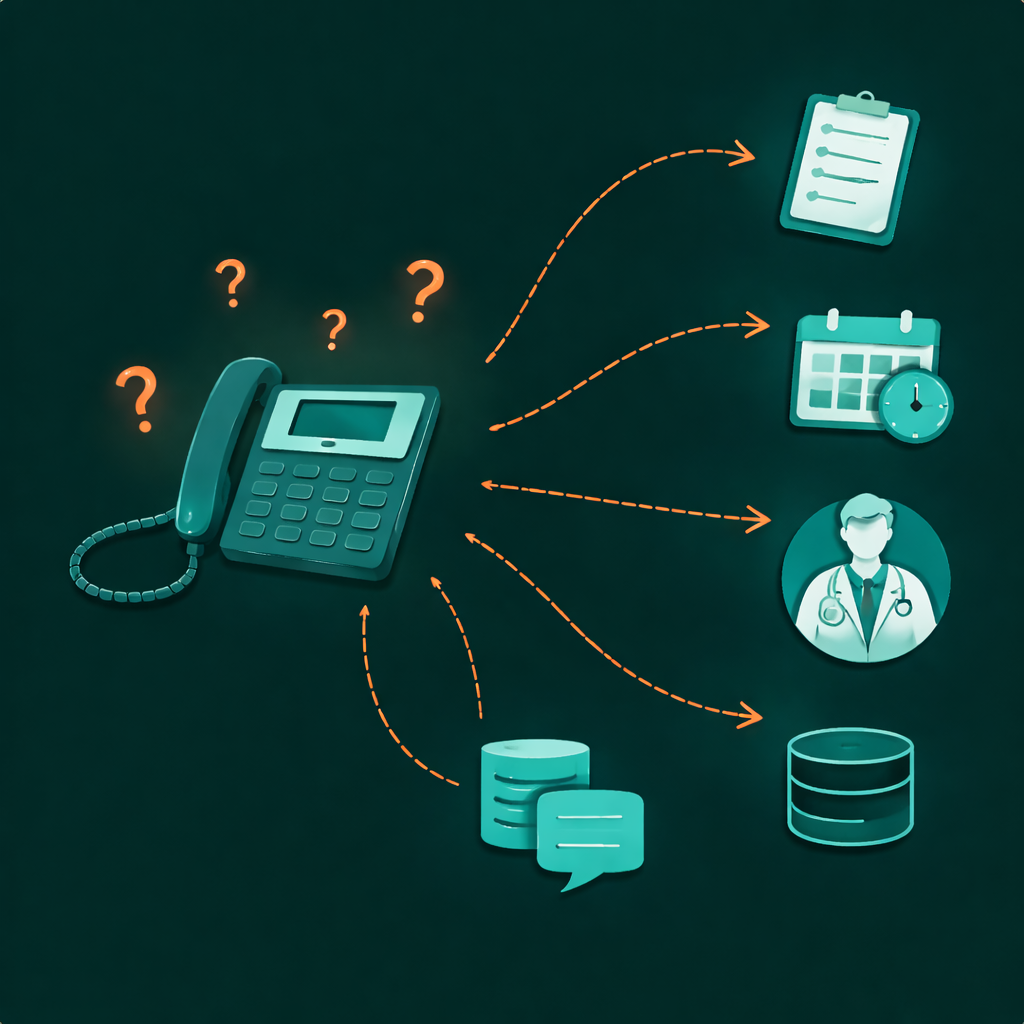
Most healthcare call centers operate using standalone phone systems combined with spreadsheets, EHR lookups, and manual processes. This fragmented approach creates several challenges:
- Agents switching between multiple systems during calls
- Inconsistent or outdated provider and insurance information
- Limited visibility into call center performance
- Longer call handling times
- Increased risk of errors and miscommunication
These inefficiencies don’t just affect internal operations – they directly impact patient satisfaction and access to care.
Why a Phone System Alone Falls Short
A traditional phone system is designed to manage calls — not workflows. Healthcare call centers, however, require much more than call routing and voicemail.
Modern operations demand:
- Real-time access to accurate provider and scheduling data
- Integrated insurance acceptance information
- Centralized knowledge bases for agents
- Workflow automation to reduce manual tasks
- Reporting and analytics for performance tracking
Without these capabilities, call centers become bottlenecks instead of operational drivers.
The Shift to Workflow-Driven Call Center Platforms
Leading healthcare organizations are moving beyond traditional phone systems and adopting integrated platforms that connect people, data, and processes in real time.
Instead of relying on disconnected tools, these platforms provide:
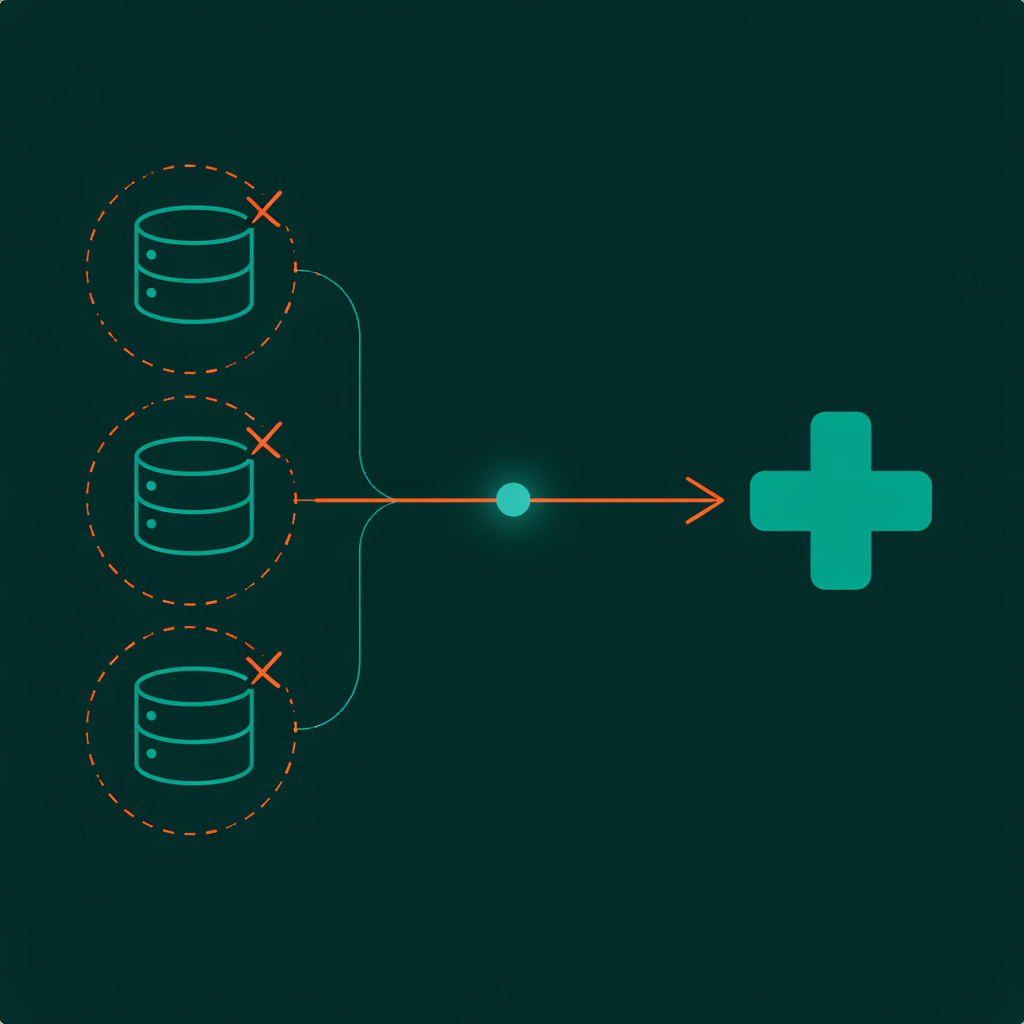
- A centralized database for provider, scheduling, and insurance data
- Role-based dashboards tailored to call center agents
- Guided workflows that standardize call handling
- Real-time updates across departments
- Secure, cloud-based access from anywhere
This approach transforms the call center from a reactive function into a strategic operational asset.
Improving Patient Access and Experience
When call center agents have immediate access to accurate, structured information, they can:
- Quickly connect patients to the right provider
- Confirm insurance acceptance in real time
- Reduce hold times and call transfers
- Provide consistent, reliable information
The result is a smoother patient journey — from the first phone call to the point of care.
Driving Operational Efficiency at Scale
For healthcare organizations managing high call volumes, even small inefficiencies can lead to significant operational costs. A workflow-driven platform enables:
- Reduced call handling time
- Improved agent productivity
- Lower administrative overhead
- Better reporting and performance insights
By centralizing data and standardizing processes, organizations can scale operations without increasing complexity.
From Call Handling to Operational Control
Healthcare call centers should do more than answer phones — they should drive access, coordination, and efficiency across the organization.
A modern approach replaces disconnected systems with a unified platform that supports both agents and leadership.
At MPowerFlow, we build custom call center solutions that go beyond traditional phone systems — giving healthcare organizations full control over their workflows and data.
Ready to Modernize Your Call Center?
If your organization is still relying on a basic phone system to manage complex workflows, it may be time to rethink your strategy.
Schedule a strategy call today to learn how a custom-built call center platform can transform your operations and improve patient access.